









Welcome to our whānau! As a family member of a Fire and Emergency volunteer, you play a vital role in our mission to create safe communities and strengthen community resilience across New Zealand. Here’s what to expect and how you can help.
It’s a big commitment
Volunteers respond to many different emergencies with little notice. Call-outs to small fires, medical incidents and motor vehicle collisions mean your volunteer could be away from 30 minutes to two hours. Call-outs to large vegetation or structure fires, flooding, and search and rescue may take much longer.
Brigades vary in the number of call-outs they get. Some may have daily call-outs and operate a roster. Others may attend three to four call-outs a week, or as little as 10 in a whole year. Volunteers also need to attend regular training to keep their skills sharp.
Your support matters
There are many ways you can help your volunteer. You can support them to attend their essential training, where they learn to save lives and work as a team. You can support them to have a nap or an early night if they’ve been on a late call-out, and give them space if they’re tired the next day. You can help them talk about their experiences, or be understanding if they don’t want to. Everyone’s different and needs support in different ways, that’s why you’ll receive information about the best ways to support your volunteer.
Volunteers attend regular training where they practice, learn new skills, and develop the team work they need to safely respond to emergencies. Supporting your volunteer to attend training is key to giving them the skills they need to keep themselves and others safe.
A diverse network of support
Our brigades form very tight and supportive teams, and that includes the family and whānau of our volunteers. Brigades often organise events and ways to help everyone stay connected, like:
- BBQs and potluck dinners
- Birthday celebrations and Christmas parties for kids
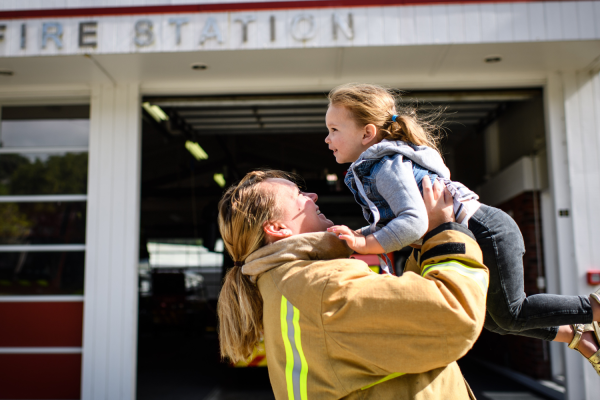
- Opportunities for family and friends to visit the station to see what volunteers do
- Facebook groups that give the brigade crew and families the chance to connect and share.
Being part of the Fire and Emergency whānau means you become part of a New Zealand-wide network of volunteers and their families. You’ll find all sorts of people with similar experiences and a shared pride in the contribution our volunteers make, including yours.
We look forward to welcoming you to our team.